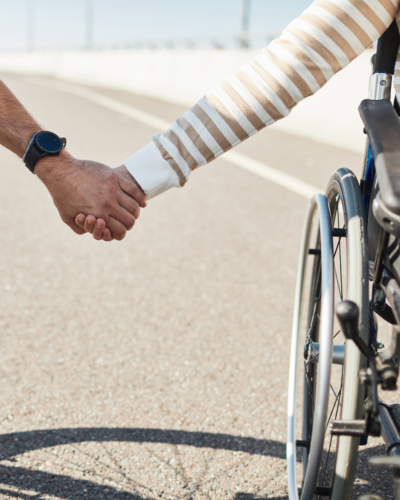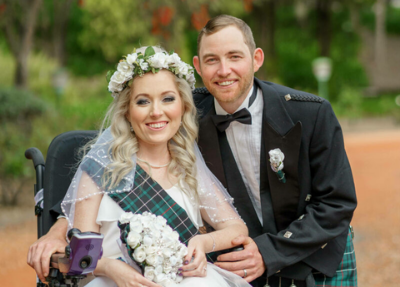
For people with a neuromuscular condition who are an only child, or who don’t have friends with a neuromuscular condition, it can sometimes be isolating when people don’t fully understand what you’re going through. And while family, friends and support networks can provide support in many ways, there’s something different about connecting with others who have shared life experiences. In this blog article, we look at how to find your community and build connections.
For people with a neuromuscular condition who are an only child, or who don’t have friends with a neuromuscular condition, it can sometimes be isolating when people don’t fully understand what you’re going through. And while family, friends and support networks can provide support in many ways, there’s something different about connecting with others who have shared life experiences.
In this blog article, we look at how to find your community and build connections.
The Benefits of Connecting with Others
Having people around you who also have a neuromuscular condition (or a child with a neuromuscular condition if you’re a parent) isn’t just about having someone there who is able to listen and support you through life, who gets the realities of daily life without you having to explain it all the time. It is also about being able to bounce problems off each other and share practical advice, whether this be things like accessible places to visit, assistive technology, healthcare or everyday challenges.
It is proven that even talking to someone for twelve minutes about challenges you are facing can help ease the mental load.
Where to Find Your Community
Depending on where you’re living, finding your community may look different, but here are some suggestions to get started.
Social media: There are many Facebook groups for people with a neuromuscular condition and the people who support them. Some are condition specific, while some are for only those who have the condition. One of the best things is that these groups can be international, providing you a wide range of people to connect with and experiences and advice.
Neuromuscular Organisations: Nearly all of the state/territory neuromuscular organisations in Australia hold online or in-person events that enable you to connect with people who have shared experiences. Head to their website or contact them to see if there are any that might interest you.
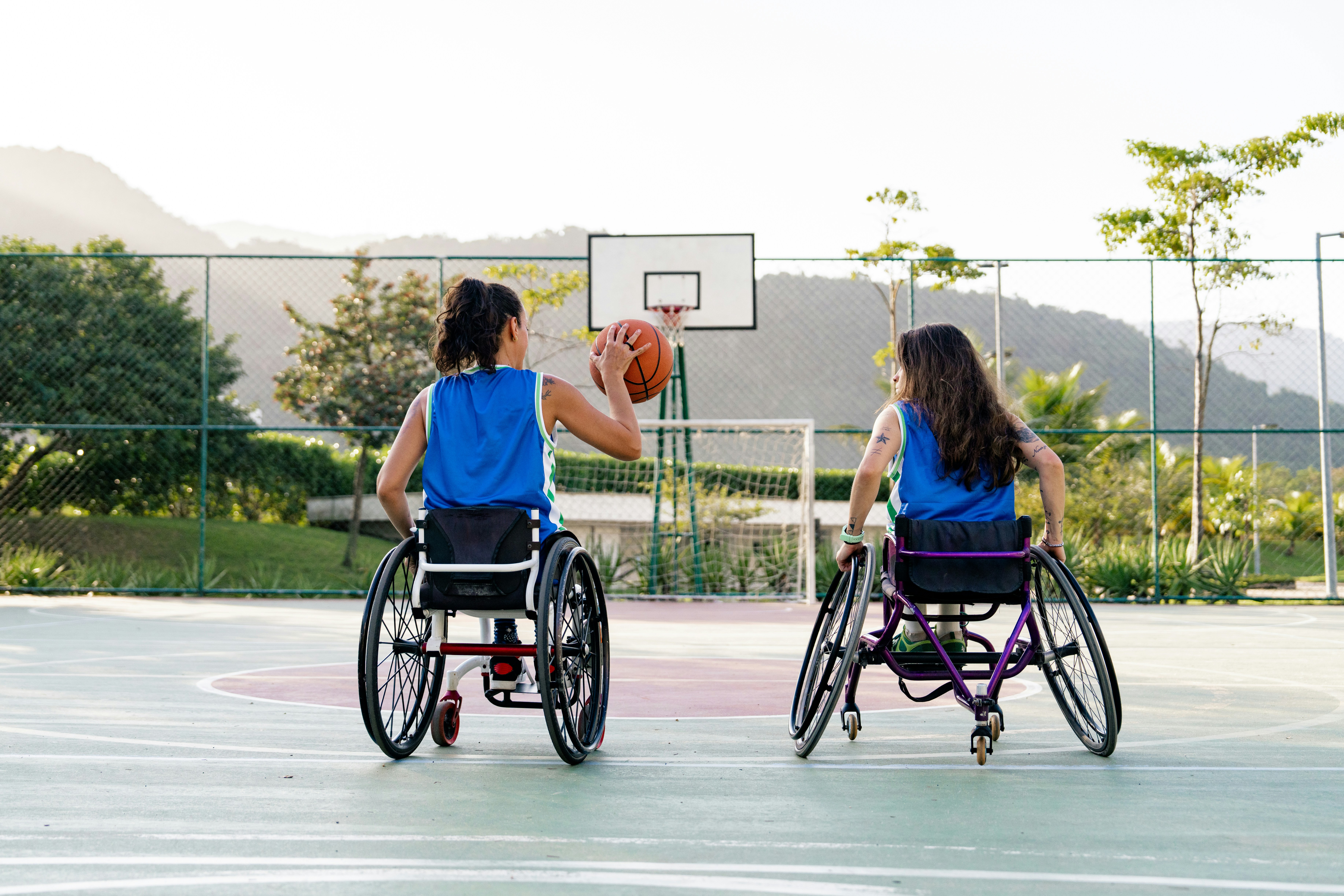
Local activities: If bonding over hobbies is more your thing, then sporting activities like powerchair football or hockey are available for people with a neuromuscular condition. Or keep an eye out for events posted in your local community like craft, book or hobby events.
Building Connections That Work for You
Like we said earlier, depending on things like your location or even personality can influence what you’re looking for in your connections, and that’s ok.
Online groups are great if you live regionally, struggle with fatigue or if you want a space where you don’t have to be as social (for even reading about other people’s experiences can be helpful).
If you are wanting to put yourself out there more, start small by introducing yourself or responding to a post or activity that someone else has initiated.
The Importance of Connection Beyond Disability
While connecting with people with neuromuscular conditions (or people who support a person with a neuromuscular condition), we understand that this is just one part of someone’s identity. Any connection, whether this be through a shared love of sports, gaming, books, art, or any other interests, can be just as valuable as neuromuscular communities. These communities can be found through similar methods as mentioned above.
And just like anything, if you find a community that doesn’t suit what you’re looking for, that’s ok. There are plenty out in the world!