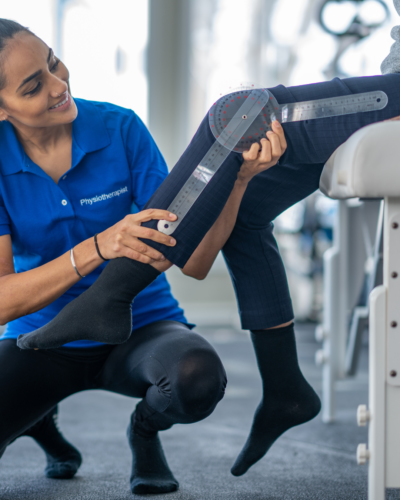
Doctors’ appointments aren’t always the most enjoyable part of life, but for people living with a neuromuscular condition, they are often a regular reality. So what happens when there’s something important you want to raise? Or when you feel like your concerns aren’t being fully heard? In this blog article, we’ll talk about how best to advocate for yourself (or someone you care for) in healthcare appointments.
Doctors’ appointments aren’t always the most enjoyable part of life, but for people living with a neuromuscular condition, they are often a regular reality. So what happens when there’s something important you want to raise? Or when you feel like your concerns aren’t being fully heard? In this blog article, we’ll talk about how best to advocate for yourself (or someone you care for) in healthcare appointments.
Before the Appointment
Whether it is your first appointment or your hundredth, doctors’ appointments can still be nerve wracking and overwhelming. If this is the case for you, you may wish to bring another person with you for support. This person could be anyone from a family member, friend or support person. They can be there for emotional support, but another set of ears can also be helpful when it comes to remembering information.
Being prepared can make a big difference, especially if this is your first time seeing a doctor. Documents that you may wish to bring include:
Keep a symptom diary (fatigue, pain, swallowing changes, breathing, mobility).
Bring a current medication list, including supplements.
Prepare a short summary of your condition and recent changes (especially if your neuromuscular condition is extremely rare - The Loop has information webpages to print)
Gather relevant reports, scans or letters from other specialists.
Lastly, write down everything you want to achieve in this appointment. This ensures that you won’t be worrying that you’ll forget them, plus you know the desired answers/outcomes you would like from the appointment.
During the Appointment
Depending on the type of doctor you’re seeing, and whether they requested you with results or if you made the appointment, the structure may look different. However, if you are the one leading the appointment, start with your biggest concerns first. Appointments can be short, so this ensures that you don’t run out of time, but it may also remove some of your nerves if you get this concern out of the way first.
In the appointment, don’t be afraid to get personal and be honest. Doctors can see lots of patients each day, so saying things like ‘this affects me in my daily life, I can’t …’ or ‘I hear you, but I can’t because …’ can assist with advocating for your needs outside of medical terminology and clinical settings.
Remember that no symptoms are ever small or embarrassing for a doctor (trust us, they’ve probably heard worse), so be sure to be honest in this regard, so that they have all of the information.
Advocating for yourself (or someone you know) at healthcare appointments isn’t just about speaking up, it’s also about ensuring that you understand what is happening to your body. To get clarification, this may include:
Ask questions and request explanations if something isn’t clear (medical language can be confusing and you deserve to have all the information).
Take notes or ask permission to record important information.
While your doctor is there to work with you, it is perfectly acceptable to say you need more time to think about something they propose to you or to disagree respectfully. They have only done a degree that you haven’t and no one knows your body better than you.
After the Appointment
Good job, the hard part is done, but unfortunately, advocacy doesn’t end when you leave the healthcare appointment.
It is perfectly acceptable to request written summaries or copies of documents. This helps with:
Having information for other healthcare appointments
Being able to process the appointment at a later time
Knowing what the next steps are
At the end of the day, if you feel like your doctor is not a good fit for you, it’s ok to seek a second opinion. The Loop has a list of neuromuscular clinics around Australia, or talk to the state/territory organisations to see if they have community members who can suggest someone.
Remember, it is your body and health, therefore your decision. So don’t be afraid to speak up if you feel like something is wrong.