For someone with a neuromuscular condition, taking care of their health can be a little bit more complicated, both in terms of physical health and mental health. For example, if you can’t exercise or necessarily have time alone, how do you stay healthy in all regards?
For someone with a neuromuscular condition, taking care of their health can be a little bit more complicated, both in terms of physical health and mental health. For example, if you can’t exercise or necessarily have time alone, how do you stay healthy in all regards?
Understanding your body
Even for people with the same neuromuscular conditions, their symptoms and the degree to which their bodies are affected can vary. Therefore, it’s important to understand what is normal for you and your body.
For example, you may know that more than two social events a week leave you exhausted, or that you are better off eating small portions of food often, rather than three standard meals. While we understand that life can get busy sometimes, if you know what is normal for your body and what pushes it to the edge, you are better able to look after it and stay healthy. It also enables you to recognise the signs when things are not how they should be and take steps to make it better.
Looking after your physical health
Good physical health can enable us to live the life we want, but looking after it isn’t always as straightforward. So how do you look after it?
At the core of it, it’s all about maintaining a balance between the energy you’re using and the energy you’re getting. The Loop has touched on this in more detail in our blog “Energy In Energy Out” looking at foods to give you energy and exercises that someone with a neuromuscular condition can do. But sometimes food isn’t enough to give us the energy that we need, this is where fatigue management comes in.
Operating at one hundred percent isn’t sustainable for anyone, but for people with a neuromuscular condition, even simple activities can drain their batteries. If this is the case for you, or someone you know, try spacing activities throughout the day, allow for allocated rest time or even write out a list of things that need to be done today and what can wait (allowing you to place your precious energy in the places that really need it). You can also try tools or technology that can assist you with tasks to save you energy. For example, maybe instead of cutting vegetables, you get one of the vegetable chopping boxes. Or instead of always leaning over to pick up items, you get a grabber.
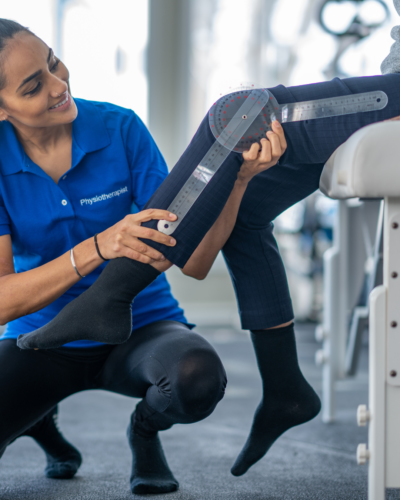
As always, your healthcare team should be with you every step of the way to ensure that your physical health is as good as it can be. This may mean regular check-ups or blood tests, a diary to track how you’re feeling or sessions with a physiotherapist. Remember, if you’re not feeling at your best, speak to your team to see how they can help.
Looking after your mental health
Unfortunately, there sometimes seems to be an emphasis on physical health rather than mental health when it comes to health professionals and people with a neuromuscular condition. This is especially hard when you don’t have the usual outlets of hitting something, going for a walk or simply spending time alone. So how do you look after your mental health then?
While there is a correlation between movement and mental health, The Loop understands that this is not possible for all members of our community. So while we encourage it, for the purpose of this article, we’ll be looking at other ways to look after your mental health.
The first step is that if you are struggling, it’s ok to recognise it and seek help. This help may be in the form of psychologists, counsellors, friends or family. While an expert may be more appropriate depending on your level of need, talking to anyone is an important step forward.
Even if your mental health is ok, having a support network around you is important to maintain good mental health. It’s having someone to talk to, to do activities out in the community, someone just to get you out of your head, but also someone to bounce ideas off, so that the problems you are facing seem a little more manageable.
Something as small as advocating for your needs can also help improve your mental health. Advocating ensures that you are getting the service you want, how you want it, and feeling in control about this part of your life, which may take one thing off your mind. Similarly, it also enables you to have a plan, which again is a weight off your mind.
Some of our other favourite things to do to relax our minds and improve our mental health include:
Reading a book
Going to the movies or a sporting event
Catching up with friends
Listening to music
Doing an arts and crafts project
Having a long, hot shower/self-care routine
Cuddle an animal
Remember that you are never alone. Services like Lifeline (13 11 14) and Beyond Blue (1300 22 4636) are always a safe space for you to talk to someone.
So whether it’s physical health or mental health (or both) that you’re looking to take care of, we hope that these tips helped! Don’t forget that The Loop’s Living Life section is full of stories and tips from our community members, so be sure to check it out.